O sangue de Jesus tem Dendê (short) (2013)
Anno di uscita: 2013
Nazione: Brazil
Alternative Title: O sangue de Jesus tem Dende, The Blood of Jesus Has Dendê
Regista: Daniel Lisboa
Writer: Daniel Lisboa
Produzione & Genere
Produttore: N/A
Società: Cavalo Marinho Audiovisual
Genere: Experimental Film, Video Art, Performance Art, Short
Budget: N/A
Parole chiave
Parole chiave: Afro-Surrealism, Iconoclasm, Palm Oil, Tomada Única, Religious Syncretism, Ritualistic Performance, Bahian Identity
Storia
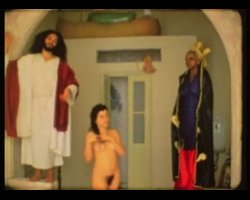
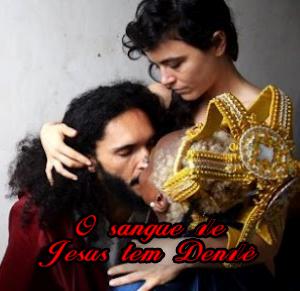
The short film is a ritualistic meditation that eschews traditional narrative in favor of a powerful, sensory experience. Filmed in a single, unedited Super-8 shot, the piece centers on a serene and hypnotic performance where the boundaries between the sacred and the profane are blurred. Three performers engage in slow, deliberate movements, creating an atmosphere of quiet intensity and spiritual transformation. At the heart of the film is the symbolic use of Dendê oil—the vibrant red palm oil of Bahia—which serves as a physical surrogate for the 'Blood of Christ.' By drenching religious iconography in this culturally charged substance, the film transforms a well-known evangelical slogan into a poetic celebration of Afro-Brazilian identity. It is less a story of events and more a visual poem about the fusion of European Christianity with the raw, earthy energy of Bahian traditions, ultimately presenting the act of devotion as something deeply rooted in local culture and the physical body.
Riassunto
Directed by the Bahian filmmaker Daniel Lisboa in 2013, O Sangue de Jesus Tem Dendê (The Blood of Jesus Has Dendê) is an experimental Brazilian short film produced as part of the 'Tomada Única: Desbunde' project. Shot entirely on Super-8 film in a single, unedited take, the work is a ritualistic and iconoclastic meditation on religious and cultural identity. The title itself is a clever play on the popular evangelical slogan 'The blood of Jesus has power,' replacing 'power' with dendê (red palm oil), a foundational element of Afro-Brazilian cuisine and Candomblé spirituality.
Featuring performances by Paula Carneiro, Ricardo Alvarenga, and Michele Mattiuzzi, the film eschews a traditional plot in favor of a hypnotic visual poem. Through serene, slow-motion movements and a vibrant red color palette provided by the oil, it depicts a spiritual fusion where the Christian sacred is 'baptized' in the earthly essence of Bahia. Produced by Cavalo Marinho Audiovisual for the São Paulo International Short Film Festival, the film serves as a sensory exploration of Afro-surrealism, transforming religious devotion into a physical celebration of local heritage.