
Scena da Stille dage i Clichy (1970)


Dettagli della scena
| Durata: 1332 sec.. | Nudità: yes | Creatore: zorg |
| Nuova dimensione file: Loading... | Audio: yes | Vecchia dimensione file: 2,250 mb |
| Formato file: AOMedia Video 1 (WebM/AV1) | Risoluzione: 1800x1080 | Aggiunto: 2025-12-11 |
Attrici in questa scena

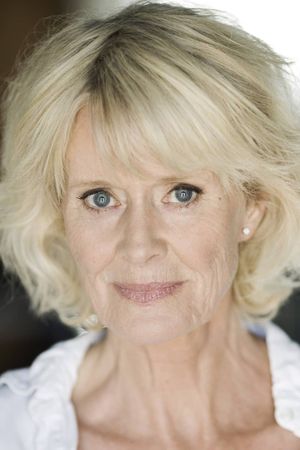
Dettagli
Nomi alternativi: Lisbeth Lindquist
Caratteristiche fisiche: N/A
Carriera
Prime apparizioni:
Ruoli più importanti:
Punti salienti della carriera:
Biografia completa
Lisbet Lundquist, a Danish actress, starred in 'Stille dage i Clichy' (1970). She played a Swedish woman who mourned her late husband in this film about penniless writers enjoying life despite their poverty.

Dettagli
Nomi alternativi: Louise White
Caratteristiche fisiche: N/A
Biografia completa
Louise White was a star of the 1970 film 'Stille dage i Clichy'. The movie portrays two penniless writers, Joey and Carl, who live together in a small apartment in Clichy, France. Despite their financial struggles, they enjoy life and pursue sexual encounters with women of diverse ages, appearances, and nationalities. Louise's character is among those they engage with sexually.

Nome di nascita: N/A
Data di nascita: N/A
Luogo di nascita: N/A
Biografia completa
Petronella, who starred in 'Stille dage i Clichy (1970)', played a role as a neighbor in need, potentially depicting a character who was financially struggling or requiring assistance.

Biografia completa
Susanne Krage played a minor role in 'Stille Tage in Clichy' (1970), a French film about two penniless writers who engage with women of different ages, appearances, and nationalities.

Dettagli
Nomi alternativi: Ulla Lemvigh-Müller
Caratteristiche fisiche: N/A
Carriera
Prime apparizioni:
Ruoli più importanti:
Punti salienti della carriera:
Biografia completa
Ulla Koppel starred in 'Stille dage i Clichy' (1970), a film about two penniless writers in Paris who pursue sexual encounters with women of diverse ages, appearances, and nationalities.
Sul film: Stille dage i Clichy (1970)
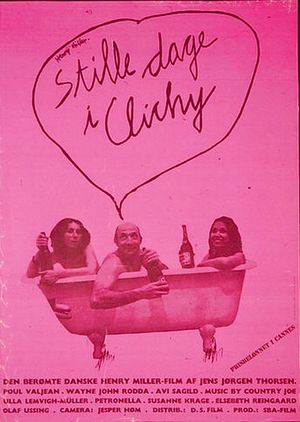
Titolo alternativo: Zwoele dagen te Clichy, Quiet Days in Clichy, Jours tranquilles à Clichy, 在克里奇的平静日子, 放荡的日子, Hiljaiseloa Clichyssä, Stilla dagar i Clichy, Isyhes meres sto Clichy, Csendes napok Clichyben, I giorni di Clichy, ヘンリー・ミラーの性生活 クリシーの静かな日々, Spokojne dni w Clichy, Dias Tranquilos em Clichy, Тихие дни в Клиши, Días tranquilos en Clichy, Clichy'de sessiz günler, Not So Quiet Days, Stille Tage in Clichy, Mirni dani u Klišiju
Regista: Jens Jørgen Thorsen
Sceneggiatore: Henry Miller, Jens Jørgen Thorsen
Produzione & Genere
Premi & Simili
Premi: N/A
Simile:
Parole chiave
Parole chiave: based on novel or book, erotic movie, free love, hedonism, paris, france, promiscuity, writer
Storia
Stille dage i Clichy follows Joey, a struggling writer living in Paris with his roommate Carl. Despite their poverty, they lead hedonistic lives, chasing women and sexual encounters. Joey is broke but dreams of being a successful author while Carl, charming and promiscuous, has a taste for young girls. Together, they navigate a decadent Paris filled with wild parties, outrageous erotic adventures, and an endless stream of women. Among their conquests are a neighbor in need, a fourteen-year-old mentally disabled girl, an American newspaper vendor with violent tendencies, and a Swedish woman mourning her late husband. Throughout the film, Joey and Carl's days are marked by laughter, love, and sexual encounters, as they live out their fantasies in the City of Light.
Riassunto
Stille dage i Clichy is a 1970 Danish erotic comedy-drama directed by Jens Jørgen Thorsen. Based on Henry Miller's semi-autobiographical novel of the same name, the film explores the bohemian lifestyle of two penniless writers in post-war Paris. Joey and Carl, the protagonists, embody the spirit of hedonism and promiscuity prevalent among expatriate American writers of that era. The film is a candid exploration of their sexual exploits and adventures, set against the backdrop of a bustling, permissive Paris. Stille dage i Clichy is notable for its explicit content and unapologetic portrayal of sexuality, reflecting the societal changes of the 1960s and early 1970s.